Behind the Screens: How Interface Designs Guide Selections in Football, Horse, and Table Game Markets

Digital platforms shape user choices in football, horse racing, and table game markets through carefully arranged layouts, color cues, and default options that steer attention toward certain selections, and these mechanisms have grown more sophisticated by May 2026 as operators respond to shifting device preferences and regulatory updates across multiple regions.
Layout Priorities in Football Betting Interfaces
Football markets appear on screens with prominent goalscorer buttons and live in-play tabs positioned near the top of mobile views, which draws users toward single-match selections rather than broader accumulators, while data from industry reports shows that placement near the fold increases click-through rates on those options by noticeable margins. Observers note that quick-stake sliders sit directly under match odds in many apps, allowing immediate confirmation without extra navigation steps, and this flow reduces hesitation during fast-paced league nights when matches unfold in quick succession.
Color highlights often mark popular leagues or trending fixtures in bright accents against neutral backgrounds, guiding eyes toward those events first, whereas less prominent fixtures receive standard text treatment that keeps them visible yet secondary. Researchers at the University of Nevada, Las Vegas have documented how these visual hierarchies influence decision speed, with users completing football bets faster when key markets sit within the initial scroll area.
Horse Racing Displays and Selection Pathways
Horse racing interfaces present racecards with runner numbers aligned left and odds columns stacked right, creating a vertical scan pattern that moves from horse details straight to pricing information, and this arrangement supports rapid form checks before bet placement. Filters for distance, track condition, and trainer statistics sit in collapsible panels that users expand only when needed, keeping the primary screen focused on upcoming races rather than overwhelming lists of past results.
By May 2026 many platforms introduced animated pace maps that highlight speed figures directly above the bet slip, and these dynamic elements draw attention to horses showing strong sectional times while leaving slower profiles in standard view. Such features connect with accumulator tools that auto-populate selections when users tap multiple races in sequence, streamlining the path from individual picks to combined wagers without requiring separate windows.
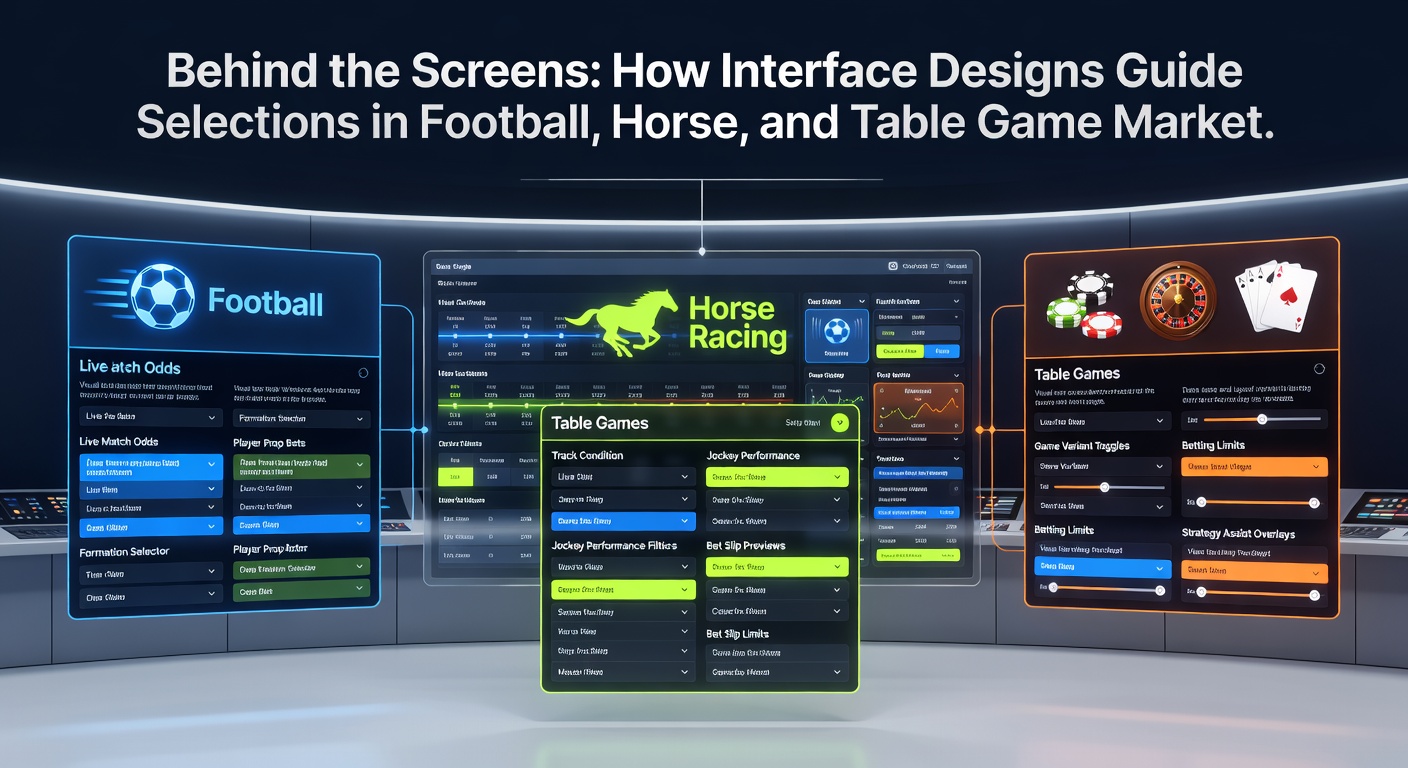
Table Game Market Arrangements and Prompt Structures
Table game sections arrange blackjack, roulette, and baccarat variants in grid formats where live dealer thumbnails occupy the upper rows, and tapping any tile opens a streamlined lobby with side panels for bet type choices that appear immediately after entry. Default stake amounts often prefill at common levels such as five or ten units, which reduces the number of adjustments needed before a round begins and keeps the flow continuous across multiple hands or spins.
Over/under and color bet buttons receive larger touch targets than exotic side wagers, directing most activity toward straightforward options while still offering access to higher-variance choices through secondary menus. A report issued by the Australian Gambling Research Centre outlines how these default settings correlate with higher volumes of standard bets compared with less visible advanced wagers, particularly during peak evening hours when session lengths tend to extend.
Cross-Market Design Patterns and User Flow
Many operators maintain consistent navigation bars that let users switch between football, racing, and table game tabs without losing an active bet slip, and this continuity encourages mixed selections across categories during single sessions. Progress indicators appear when users add items from different markets, showing potential returns in real time and updating as new choices populate the slip, which maintains momentum without forcing page reloads.
Search bars sit at the top of each market view with predictive text that surfaces popular teams, jockeys, or table variants as letters are entered, shortening the path from idea to active selection. Those who study interface analytics report that predictive suggestions increase conversion on mid-week fixtures and lesser-known races alike, since users discover options they might otherwise scroll past.
Regulatory Context and Platform Adjustments in 2026
Authorities in several jurisdictions introduced guidelines on default bet settings during early 2026, prompting operators to display clear warnings near prefilled stakes and to offer easy reset options within the same screen. These changes appear alongside existing responsible gaming tools such as session timers that pause activity after set intervals, yet the core layout principles remain focused on efficient selection pathways.
External testing from bodies like the Responsible Gambling Council in Canada has examined how these adjusted interfaces affect choice distribution, and initial findings indicate that prominent responsible play links placed near the bet confirmation step maintain visibility without disrupting the overall selection rhythm.
Conclusion
Interface designs across football, horse, and table game platforms continue to evolve through layout choices, color emphasis, and default prompts that shape how selections form on screen, and by May 2026 these elements reflect both technological refinements and updated compliance requirements from varied regulatory environments. Users encounter consistent patterns that prioritize speed and visibility for core markets while still providing pathways to more specialized options through structured navigation. Data from academic and industry sources shows measurable effects on selection speed and volume, underscoring the role of screen architecture in guiding activity across these diverse betting categories.