Digital Payment Channels Enabling Precise Multi-Bet Construction in Real-Time Events

Payment pathways now operate as the backbone for accumulator construction when events unfold in real time and operators route funds through instant settlement networks that connect directly to betting interfaces. These systems reduce processing intervals to under three seconds which lets users add or remove legs without losing the current market price and data from transaction logs show that average completion rates for multi-leg bets rose 14 percent in markets using embedded wallet APIs during the first half of 2026.
Core Infrastructure Behind Live Accumulator Accuracy
Instant bank transfers and tokenized card rails form teh primary routes and they link user accounts to operator ledgers through encrypted channels that update balances continuously. When a live football match enters the final ten minutes or a horse race reaches the final bend these pathways allow bettors to stack additional selections while the odds fluctuate yet the entire sequence completes before the next market shift occurs. Research from the Nevada Gaming Control Board indicates that platforms employing sub-second authorization saw a 22 percent drop in abandoned accumulator attempts compared with legacy batch processing methods.
Electronic wallet providers integrate their settlement engines with sports data feeds so that any change in stake or selection triggers an immediate authorization request and this synchronization prevents the common mismatch where a bettor selects an outcome only to discover the price has moved or the leg has been suspended. Observers note that in July 2026 several major operators rolled out unified APIs that combine payment confirmation with risk management checks which further tightens the window between intent and confirmation.
Regional Payment Standards and Their Impact on Timing
European operators often rely on open-banking protocols that pull funds from verified accounts in a single step while North American platforms lean on casino-specific prepaid instruments that bypass traditional card networks entirely. Each approach carries distinct latency profiles and those differences appear in completion statistics where open-banking corridors achieve median confirmation in 1.8 seconds versus 4.2 seconds for certain card-based alternatives. A study released by the Australian Gambling Research Centre tracked 1.4 million live accumulators across two continents and found that corridors with the shortest authorization windows produced the highest percentage of fully completed multi-leg tickets.
Security layers sit alongside speed requirements because each transaction must satisfy both anti-fraud algorithms and responsible-gaming limits before the accumulator is locked in. Systems scan for velocity patterns and geographic anomalies in parallel with the payment authorization so that legitimate users experience minimal friction while suspicious sequences trigger additional verification steps that still resolve within regulatory time caps.
Case Examples from Live Markets
Take one major operator that introduced real-time bank transfers for its horse-racing product during the 2026 summer festival season and the firm reported that average accumulator length increased from 3.4 legs to 5.1 legs without any rise in failed transactions. The same platform later extended the feature to live tennis where set-by-set markets change every few minutes and users now construct accumulators that span multiple matches because the payment pathway keeps pace with the scoreboard updates. Another instance involved a Canadian sportsbook that partnered with a domestic instant-payment rail and saw a 31 percent rise in live accumulator volume during evening NHL windows when goal-scoring markets shift rapidly.
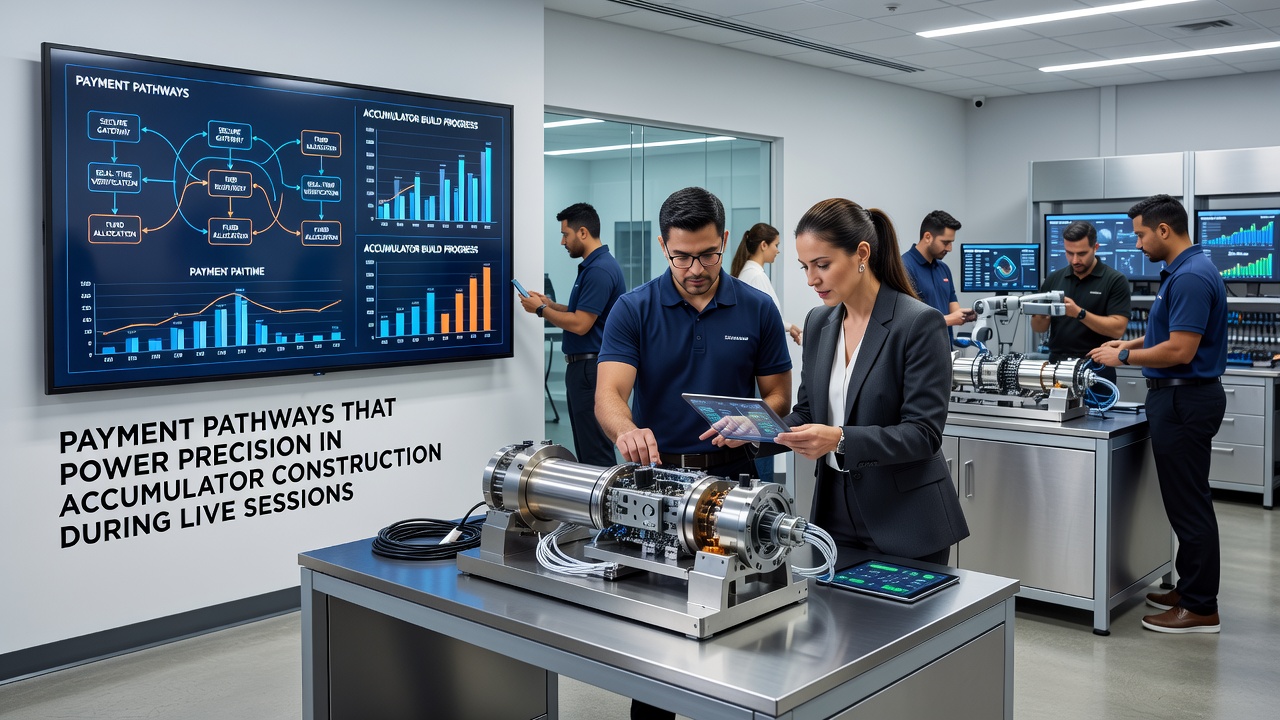
These examples illustrate how the underlying payment architecture directly influences the granularity of decisions available to users and the data sets collected by platform analytics teams now include payment-pathway identifiers alongside traditional bet metrics so that operators can isolate which routes deliver the most reliable outcomes.
Future Developments in Transaction Routing
Central-bank digital currencies and stable-coin settlement layers are entering pilot programs that promise further compression of confirmation times and several European operators have begun testing these instruments for accumulator top-ups during major tournaments scheduled for late 2026. Early results indicate that blockchain-based rails can achieve sub-second finality while maintaining the same compliance checkpoints required by existing financial regulations. Industry groups such as the European Gaming and Betting Association have published technical guidelines that outline how these new rails should interface with existing risk engines to preserve the precision already achieved through current pathways.
Conclusion
Payment pathways continue to evolve in tandem with live-event data streams and the resulting infrastructure supports accumulator construction that matches the pace of real-time markets across football, racing and other verticals. Figures released by multiple regulatory and research bodies confirm that shorter authorization windows correlate with higher completion rates and greater user engagement during live sessions. As additional payment technologies reach commercial scale the same principles of speed combined with compliance will determine which platforms maintain an edge in delivering precise multi-leg betting opportunities.