Digital Wallets Uniting Multi-Leg Bets Across Soccer Fields and Racecourses
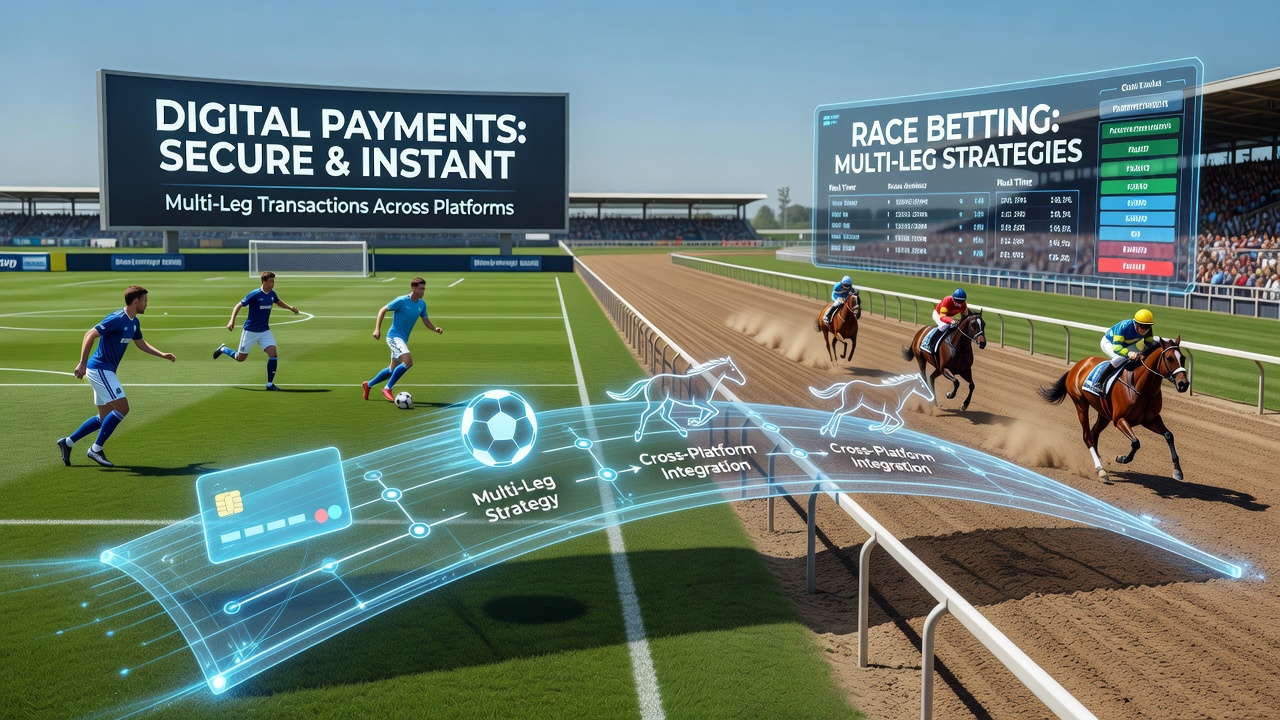
Digital payment platforms now connect directly to multi-leg betting accounts, allowing users to fund combined wagers spanning soccer matches and horse racing events without delays. These systems handle instant transfers that support accumulator structures where bettors combine outcomes from pitch-side goals with finish-line results at racecourses. In June 2026 operators reported sustained growth in cross-sport accumulators funded through e-wallets and instant bank transfers as live odds updated across both domains.
Payment Infrastructure Supporting Accumulator Construction
Operators integrate APIs from digital wallet providers to enable real-time deposits that match the pace of live soccer fixtures and race meetings. Bettors build multi-leg positions by selecting outcomes such as first-half goals alongside specific horse placements, with funds moving into the account within seconds rather than minutes. Research from the European Gaming and Betting Association shows that platforms offering sub-five-second deposit confirmations recorded higher volumes of live accumulators during overlapping event schedules in early 2026.
Security protocols including tokenisation and biometric verification maintain compliance while supporting these rapid transactions. Regulatory frameworks in several jurisdictions require operators to verify user funds before permitting multi-leg entries, yet the streamlined verification flows still permit participation during the same match or race segment. Observers note that reduced friction between deposit and bet placement encourages users to layer additional legs when odds shift in real time.
Cross-Event Strategies in Practice
Multi-leg approaches frequently pair soccer statistics with racing form data. One documented pattern involves combining a team’s clean-sheet probability in a premier league fixture with a horse’s performance over a specific distance at a major track. Payment systems facilitate these combinations by maintaining account balances across multiple markets and allowing partial cash-outs on live accumulators before final legs conclude.
During June 2026 race meetings that overlapped with international soccer tournaments, operators recorded elevated traffic in such combined markets. Bettors used mobile applications to monitor both scorelines and race positions simultaneously while executing additional deposits or withdrawals through the same interface. Industry reports indicate that average accumulator ticket values rose when payment confirmation times dropped below three seconds.
Regulatory Context and Market Data
Authorities outside the United Kingdom have published figures on digital gambling payments. The Australian Gambling Research Centre documented a measurable increase in mobile wallet usage for multi-market bets during the 2025-2026 season. Those findings align with observations from Canadian provincial regulators that tracked higher frequencies of cross-sport accumulators once instant funding options expanded.
Operators must still apply responsible gambling controls such as deposit limits and reality checks regardless of transaction speed. These safeguards remain active even as payment rails accelerate. Data compiled by the American Gaming Association indicates that platforms balancing rapid deposits with clear limit-setting tools maintained stable user retention rates through mid-2026.
Technical Integration Points
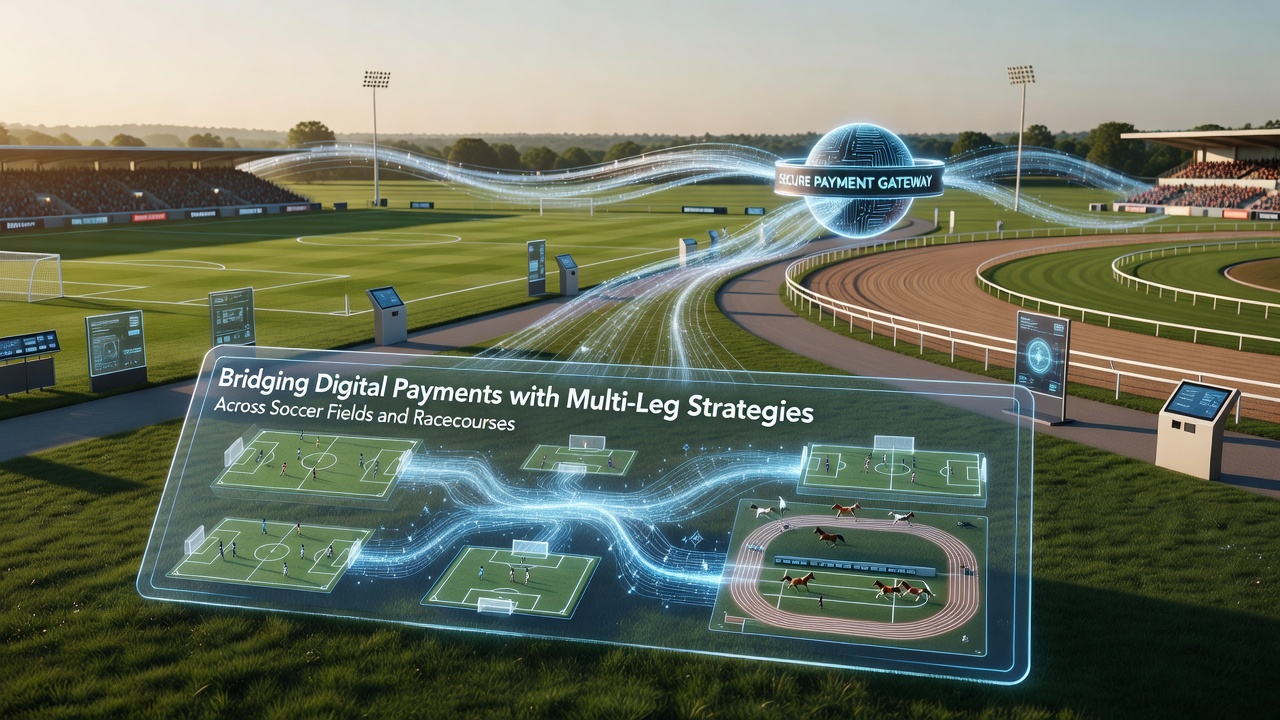
Backend systems link sportsbook engines to payment gateways through standardised protocols that update balances across soccer and racing modules simultaneously. When a user adds a leg from a live soccer market and another from an upcoming race, the platform confirms available funds once rather than requiring separate authorisations. This single-verification approach reduces the time between idea and placement for multi-leg tickets.
Latency reductions achieved through edge computing and regional data centres further support these strategies. Bettors receive updated odds and balance information within the same application view, allowing adjustments to accumulator structures as events progress. Technical documentation from several major platforms highlights uptime rates above 99.8 percent during peak overlapping schedules in June 2026.
Future Developments in Payment-Betting Convergence
Emerging standards for open banking and embedded finance continue to influence how multi-leg positions are funded. Trials conducted in select European markets during spring 2026 tested direct account-to-betting transfers that bypass traditional wallet intermediaries while preserving audit trails. Results from those pilots suggest further compression of deposit intervals for users constructing accumulators that span soccer and racing.
Operators continue refining user interfaces so that market selectors for both sports appear within unified accumulator builders. Payment preferences saved within these interfaces allow one-tap funding when new legs become available mid-event. Industry analysts anticipate continued alignment between payment technology updates and the expansion of combined soccer-racing markets through the remainder of 2026.
Conclusion
Digital payment systems now serve as the operational backbone for multi-leg betting across soccer fields and racecourses by delivering verified funds at the speed required for live accumulator construction. Market data from multiple regulatory regions confirms increased activity in combined markets during periods of overlapping fixtures, while technical and compliance frameworks maintain transaction integrity. Continued refinement of these integrations is expected to shape how bettors assemble positions spanning both domains in subsequent seasons.