How Deposit Mechanisms Support Accumulator Bets Across Live Matches, Thoroughbred Races, and Roulette Tables
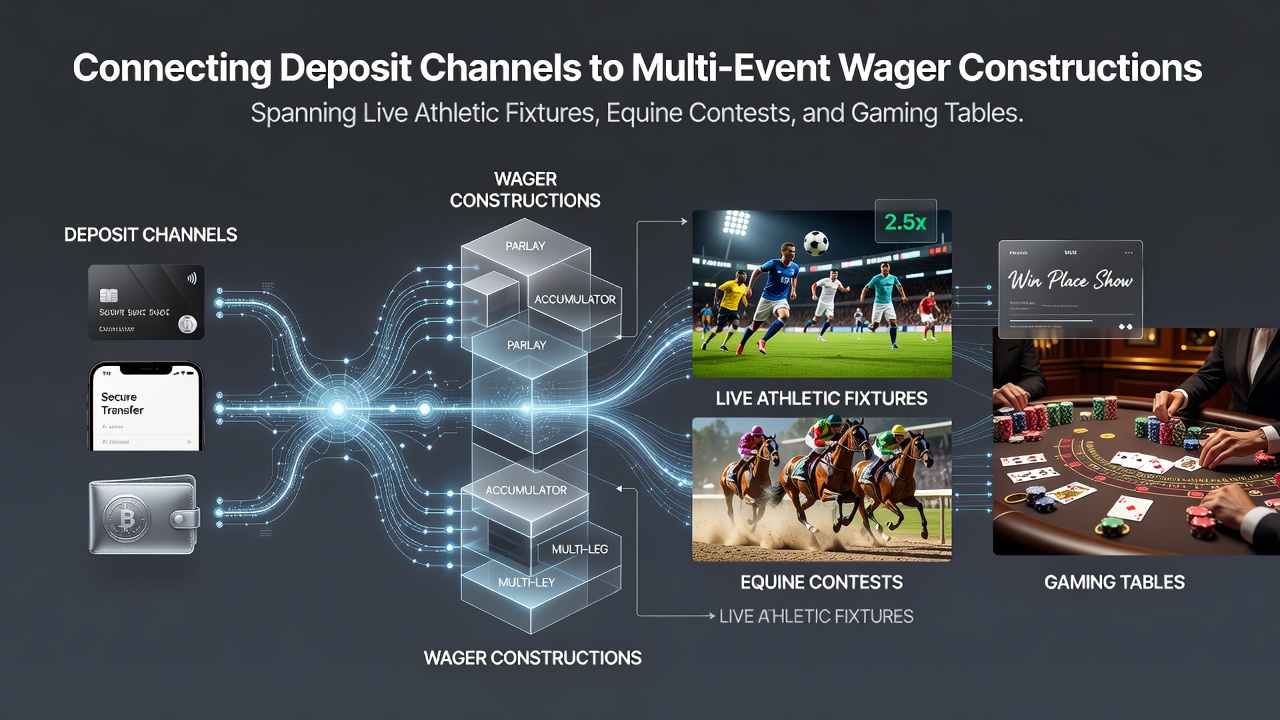
Payment systems now connect directly to complex betting structures that combine outcomes from live athletic fixtures, equine contests, and gaming tables, allowing users to build accumulators without leaving the platform interface. Data from industry reports shows these integrations have grown as operators expand real-time deposit options such as e-wallets and bank transfers that process within seconds of confirmation. Observers note that seamless funding supports wagers spanning multiple event types where each leg must settle before the overall payout triggers.
Platforms achieve this by routing deposit confirmations straight into the bet slip engine, so a single transaction can activate a multi-leg construction that draws from a football match in progress, a horse race starting minutes later, and a live dealer table outcome. According to figures released by the European Gaming and Betting Association, transaction speeds under ten seconds have become standard for approved users in regulated markets during the first half of 2026. This speed matters because live athletic fixtures generate odds that shift after every goal or point, while equine contests require placement before the starting gate opens.
Deposit Routing Across Event Categories
Operators map each deposit method to specific wager types through backend APIs that verify funds before the bet registers. Users select an e-wallet, complete authentication, and the balance appears instantly in the account wallet tied to the accumulator builder. Research indicates that systems handling simultaneous legs across sports, racing, and tables reduce failed transactions by routing verification through centralized ledgers rather than separate processors for each vertical.
Live athletic fixtures demand deposits that clear before in-play markets close, which often occurs within narrow windows after substitutions or injuries. Equine contests add another layer because odds move rapidly in the minutes before post time, and late deposits can miss the window entirely. Gaming tables introduce continuous play cycles where roulette spins or card draws reset every few seconds, so the funding link must remain active throughout the session.
Multi-Event Accumulator Construction
Accumulator builders now pull live data feeds from all three categories into one interface, letting users stack selections without switching applications. A typical construction might link a goal total from a June 2026 Premier League match, a place finish in a Group 1 race at Royal Ascot, and an over-under on a blackjack hand at a licensed table. Each selection updates independently while the overall stake draws from the same funded balance.
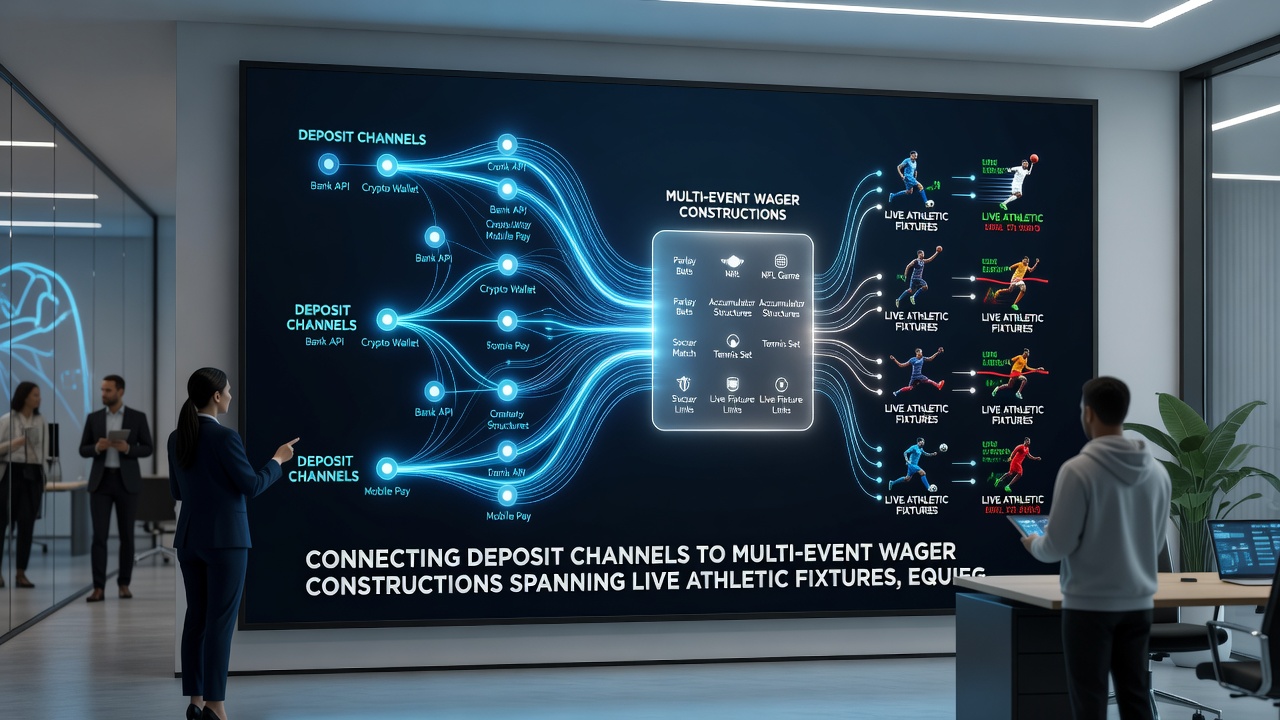
Technical setups use event-specific APIs that feed odds into a unified slip, and deposit channels trigger an authorization flag that locks the stake until settlement completes. Studies from academic sources such as those published through the University of Sydney's Gambling Treatment and Research Centre have examined how these layered systems affect transaction volumes, noting higher activity during overlapping event schedules. The architecture prevents partial funding by requiring full stake confirmation before any leg activates.
Regulatory and Operational Context
Regulators in multiple jurisdictions require audit trails that link every deposit to the resulting multi-event wager, ensuring traceability across sports, racing, and casino verticals. Licensing conditions in several European markets mandate that operators maintain separate records for each event category even when the deposit originates from a single source. This separation supports compliance checks while still allowing users to construct accumulators that cross categories.
Operators have adjusted their platforms in response to these rules, implementing deposit gateways that timestamp each transaction against the specific events selected. Figures from market analyses show increased adoption of instant verification services that align with these requirements, particularly during periods when major fixtures overlap with racing festivals and extended casino hours.
Technical Flow and Settlement
Once a deposit clears, the system assigns a unique identifier that travels with the accumulator through settlement stages. Live athletic fixtures settle first in many cases because goals register immediately, followed by equine results that finalize after the photo finish review, and finally table game outcomes that resolve on the next spin or hand. The deposit channel remains open for additional funding if users choose to add legs mid-construction, although most platforms cap the number of simultaneous events per slip.
Security protocols encrypt the connection between the payment processor and the betting engine, preventing interception during the brief window when odds continue to fluctuate. Industry data indicates that platforms employing these encrypted links report fewer disputes over timing because every deposit carries a verifiable timestamp tied directly to the wager record.
Conclusion
Deposit channels now function as the backbone for multi-event wager constructions that span live athletic fixtures, equine contests, and gaming tables by delivering verified funds into unified bet builders within seconds. The technical and regulatory frameworks supporting these connections continue to evolve as operators refine API integrations and settlement sequences. Data from established industry and research sources demonstrates consistent growth in transaction volumes tied to these cross-category accumulators through mid-2026.