Payment Pathways Powering Precision in Cross-Sport Accumulators
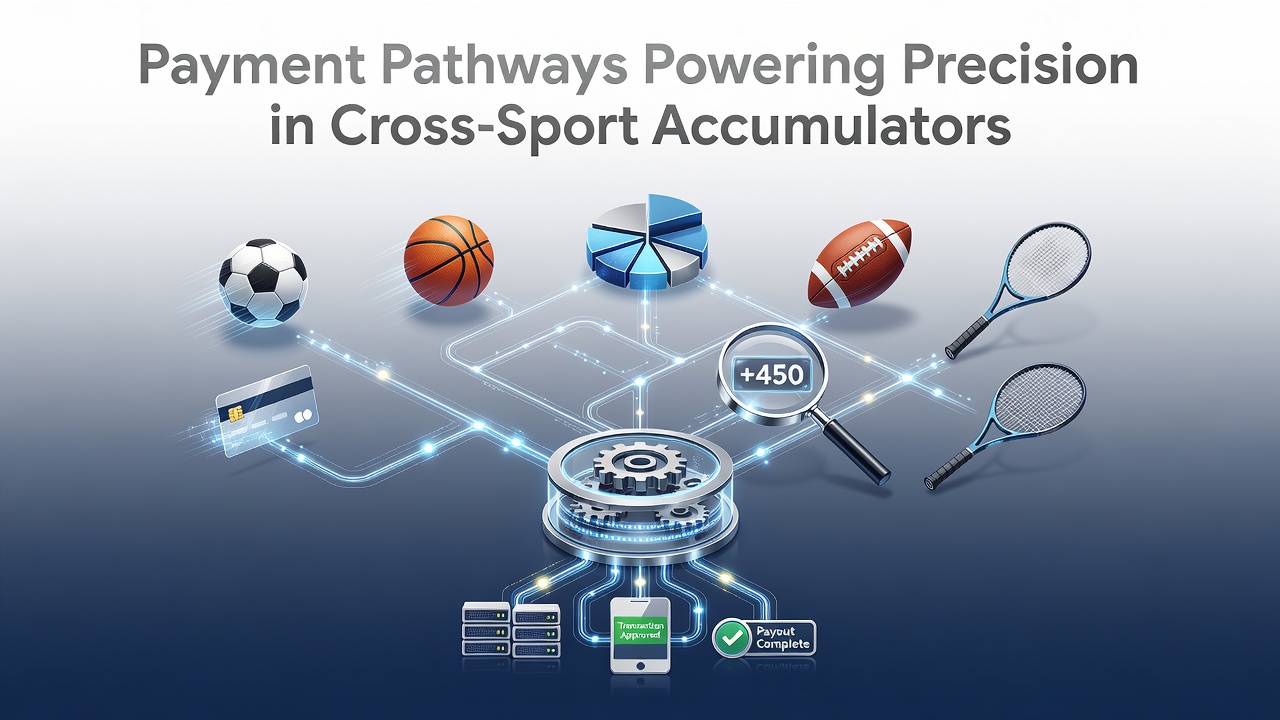
Payment systems have evolved into the backbone of cross-sport accumulators, where bettors combine wagers on football goals, horse race finishes, and casino table outcomes into single tickets that demand exact timing and instant fund movement. These pathways connect e-wallets, bank transfers, and digital rails directly to betting platforms, allowing stakes to lock in during live events without delays that once broke accumulator chains across multiple sports.
Operators now route deposits through APIs that verify funds in seconds, which supports the layered odds required when a soccer match overlaps with a thoroughbred race and a roulette spin sequence. Data from industry reports shows that platforms using instant settlement saw accumulator volumes rise steadily through the first half of 2026, especially during multi-sport weekends when events run in parallel.
How Payment Rails Align With Live Accumulator Timing
Traditional bank wires took hours or days, yet modern solutions such as Faster Payments in several markets and real-time rails elsewhere complete transactions before the next play or stride begins. Bettors therefore stack a live football corner bet onto an ongoing horse race place market and a casino over-under without pausing the ticket build. Observers note that seamless integration reduces failed accumulators caused by funding lags, since the moment a jockey breaks from the gate or a dealer reveals the next card, the payment confirmation has already cleared.
Those who manage accumulator strategies across sports often rely on e-wallets that maintain pre-verified balances, while direct bank links add another layer for larger stakes. Research from the American Gaming Association indicates that platforms offering multiple rail options recorded higher completion rates for multi-leg bets in 2025, because users could switch pathways mid-session if one route slowed.
Cross-Sport Mechanics and Settlement Precision
Accumulators spanning football, racing, and casino games require simultaneous tracking of separate rulesets and payout formulas, yet payment pathways supply the common thread that keeps everything synchronized. When a goal is scored in one window, a horse crosses the line in another, and a roulette ball lands in a third, the system must debit and credit the combined stake instantly to reflect updated odds across the ticket. Systems that batch these updates through unified ledgers prevent partial settlements that once fragmented winnings.
Take one platform operator that linked its accumulator engine to both card networks and digital wallets; bettors could fund a three-sport ticket during overlapping live markets, and the same rails handled the payout when all legs resolved. Figures from the Australian Gambling Research Centre reveal that markets with sub-second payment confirmation experienced fewer disputes over timing, because each leg's status updated before the next event started.
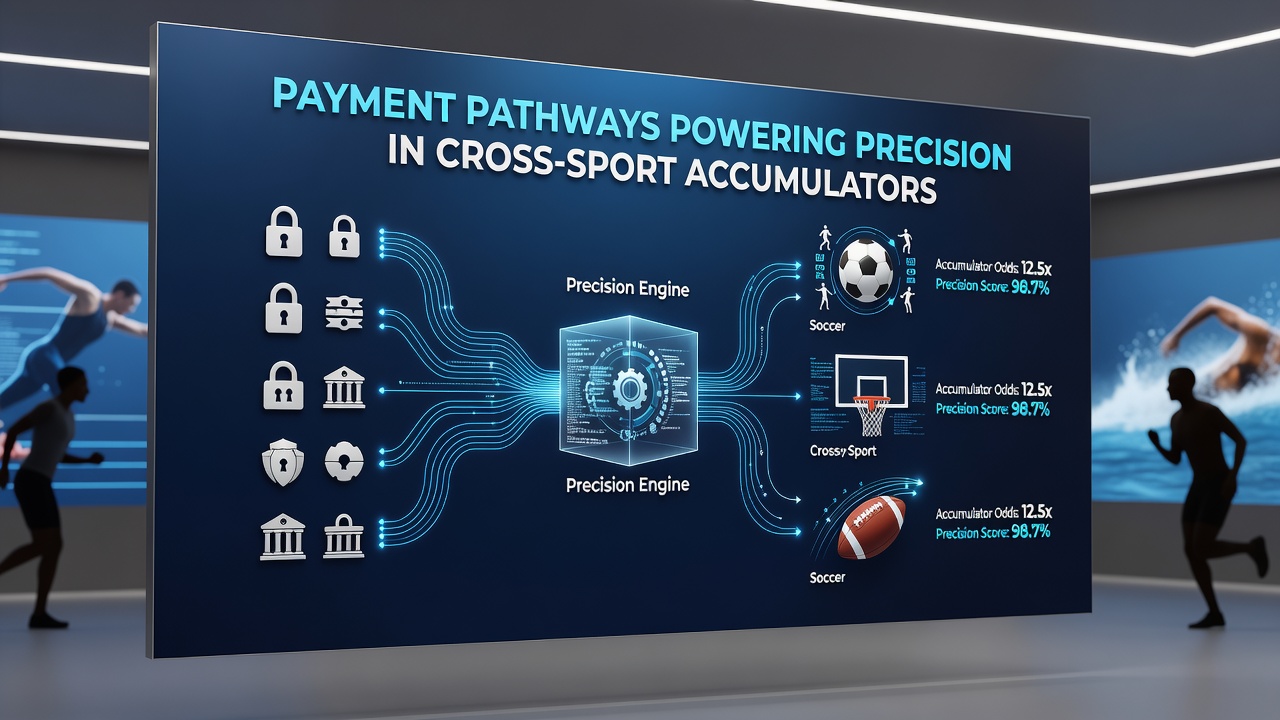
Regulatory Context and Market Shifts in July 2026
By July 2026 several jurisdictions had updated rules around payment verification and responsible gambling limits, which directly affected how accumulators across sports could be funded. Canadian provincial regulators, for instance, required enhanced identity checks on high-volume e-wallet accounts, yet these steps also sped up subsequent transactions once accounts cleared initial screening. The result was smoother accumulator construction for users who maintained verified pathways, while operators adjusted interfaces to flag potential delays before they affected live bets.
Industry groups such as the European Gaming and Betting Association have tracked how these changes influenced cross-border play, noting that standardized payment reporting helped platforms maintain consistent service during festival periods when football, racing, and casino events clustered. Bettors therefore encountered fewer interruptions when moving funds between sports, because compliance layers operated in the background rather than blocking each deposit.
Practical Examples of Pathway Integration
One documented case involved a betting exchange that partnered with multiple payment processors to allow accumulators linking a Premier League goal line with a Group 1 horse race and a live dealer blackjack hand. The exchange routed smaller stakes through digital wallets for speed, while larger positions traveled over direct bank rails that offered stronger fraud protection. Users who activated these options reported completing tickets during tight live windows without the funding errors that previously voided partial accumulators.
Another instance came from operators serving international markets, where time-zone differences meant events in Europe, Australia, and North America overlapped. Payment systems that supported 24-hour instant settlement enabled bettors to add legs across these regions without waiting for banking hours, and settlement occurred automatically once each leg resolved. Such setups reduced the friction that once limited multi-sport tickets to single-day domestic events.
Conclusion
Payment pathways continue to determine how precisely cross-sport accumulators can form and settle, because every added leg depends on funds moving at the exact moment the next event unfolds. As platforms refine API connections and regulators refine verification standards, the technical foundation for combining football, racing, and casino outcomes into single coherent tickets grows more robust. Those tracking July 2026 developments observe that operators investing in diverse, fast rails maintain higher volumes in multi-sport products, while users benefit from fewer interruptions when timing matters most.