Payment Processing Speeds and Their Effects on Accumulator Building in Football, Racing, and Table Games
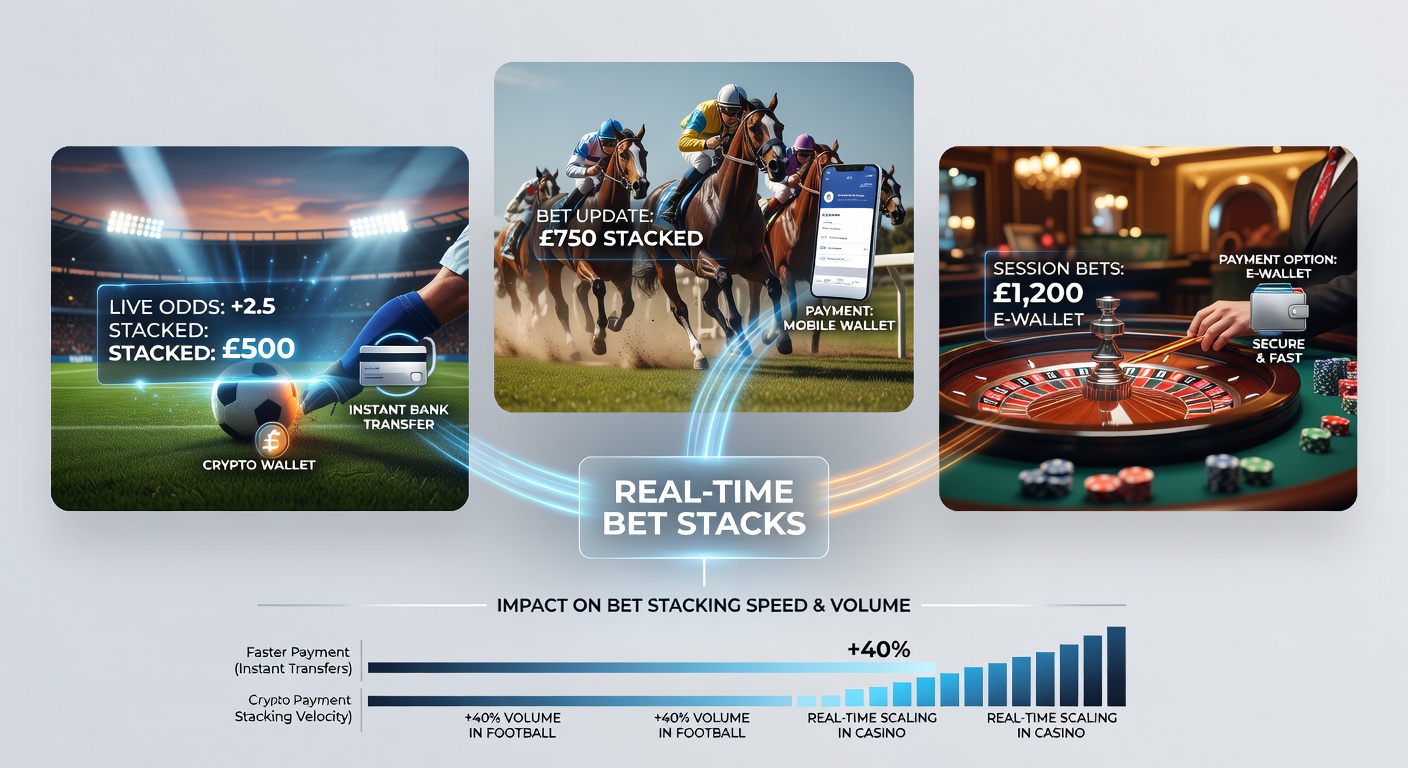
Payment methods now determine how quickly bettors can layer multiple wagers while events unfold, and this connection appears most clearly in football matches where live odds shift after every goal or card. Faster transaction times let users add new selections to an accumulator without pausing to reload funds, which data from industry reports shows increases the total number of active bets per session. Observers note that debit card top-ups often clear in under ten seconds on many platforms, whereas older bank transfers require several minutes and frequently miss the window for stacking an extra leg onto a running parlay.
Transaction Times in Football Live Markets
During a Premier League or Champions League fixture, real-time stacking typically involves adding goal scorers, corner counts, or player performance props as the match progresses, and payment speed directly controls whether those additions happen before the next play resumes. Research from academic studies on digital wagering indicates that e-wallet options reduce average deposit latency to under five seconds, allowing users to incorporate fresh odds into existing accumulators while the ball remains in play. One study revealed that platforms supporting instant crypto transfers recorded a measurable uptick in multi-leg live bets compared with those limited to slower card processors, because the reduced friction keeps bettors engaged through changing scorelines.
Application to Horse Racing and Trackside Dynamics
Horse racing presents a compressed timeline where each race lasts only a couple of minutes, so payment options must support rapid stacking of win, place, and exotic bets across consecutive events on the card. Data shows that users relying on instant bank transfers or digital wallets complete deposits fast enough to move from one race straight into the next without losing position in an ongoing accumulator chain. Experts have observed that during major meetings, platforms offering push notifications for cleared funds enable bettors to adjust stakes on upcoming runners while the previous race settles, creating layered positions that would otherwise require pre-event planning. What's interesting is how these mechanics intersect with photo-finish delays, giving bettors extra seconds to stack additional each-way options before the official result locks the accumulator.
Integration Across Casino Sessions and Continuous Play
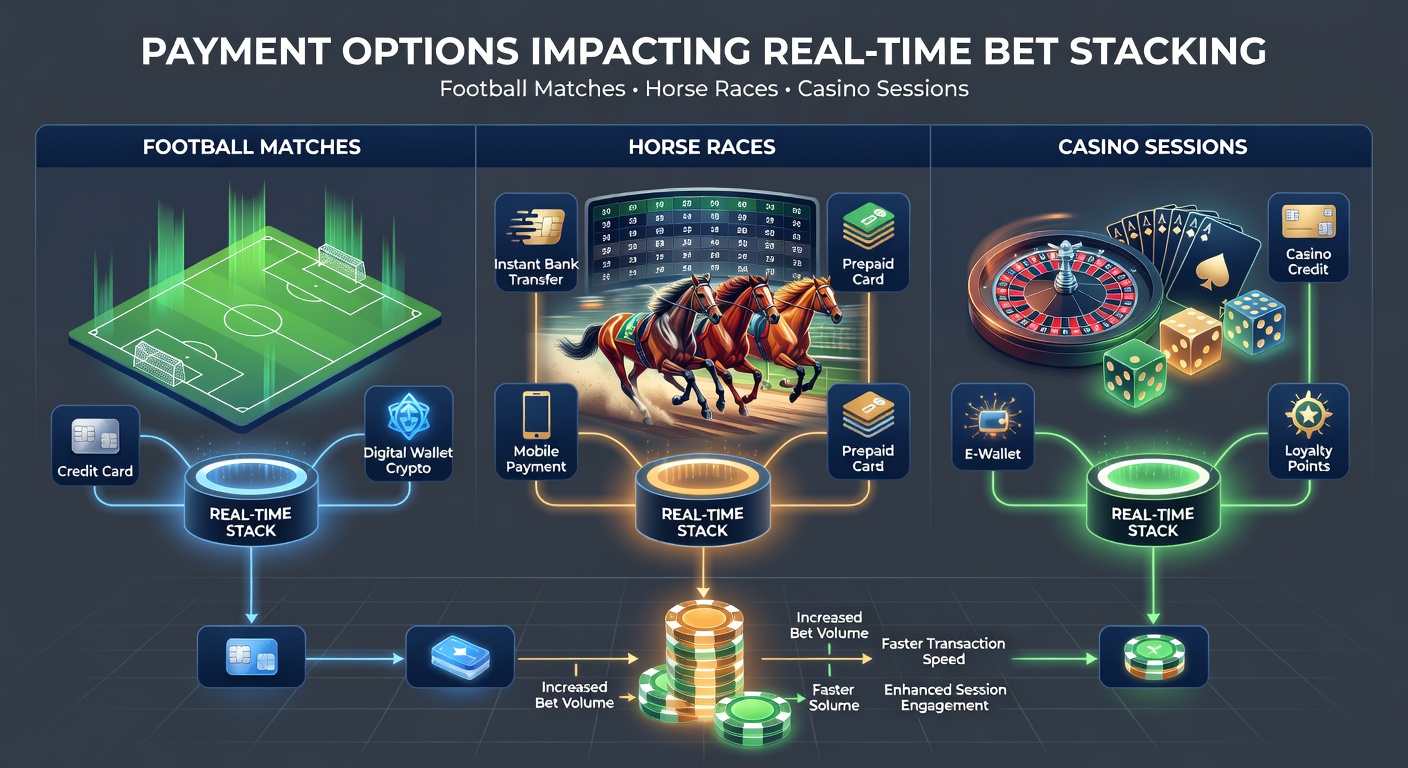
Casino environments extend the same principle to table games and slots, where real-time bet stacking involves combining blackjack side bets, roulette progressions, or slot bonus triggers into single multi-outcome wagers. Figures reveal that operators providing near-instant reloads through prepaid vouchers or mobile payment apps see higher volumes of chained casino bets because players maintain momentum without leaving the table interface. According to reports compiled by the Nevada Gaming Control Board, jurisdictions with streamlined digital funding rules recorded elevated session lengths in 2025, and analysts expect similar patterns to continue into May 2026 as more platforms adopt unified wallets across sports and gaming verticals. Those who've tracked user behavior note that seamless payment flows reduce drop-off rates when bettors attempt to add a live dealer outcome to an existing football or racing accumulator.
Regulatory and Technological Context in 2026
By May 2026, several markets have introduced updated rules around transaction verification that balance speed with consumer protections, and these changes influence how quickly new deposits appear in betting accounts. Industry organizations such as the European Gaming and Betting Association have published guidelines emphasizing faster yet secure processing, which directly supports real-time stacking across football, horse racing, and casino products. Research indicates that regions permitting open banking integrations experience quicker fund movement than those relying solely on traditional card rails, enabling bettors to respond to in-play developments without interruption. Observers note that this evolution creates measurable differences in accumulator completion rates between platforms, especially during high-volume periods like weekend football schedules overlapping with evening racing cards.
Comparative Effects Across Betting Formats
Comparing the three verticals highlights consistent patterns: payment latency under fifteen seconds correlates with higher stacking activity, while delays beyond thirty seconds reduce the likelihood of adding further legs. Take one dataset examined by university researchers that tracked thousands of sessions and found e-wallet users constructed 40 percent more multi-event accumulators than card-only users in equivalent time frames. The reality is that horse racing demands the shortest windows, casino play offers continuous opportunities, and football sits between the two with its variable stoppages, yet all three respond similarly to improved funding speed. Platforms that surface real-time balance updates after each deposit further encourage bettors to keep layering selections rather than pausing to check external accounts.
Conclusion
Payment processing capabilities now form a core part of how accumulators develop across football matches, horse races, and casino sessions, because transaction speed determines whether bettors can act on live opportunities. Evidence suggests that faster options expand the range of viable stacking strategies, while slower methods constrain participation to pre-planned bets. As markets continue adapting into 2026, the link between funding technology and in-play accumulator construction remains a central factor shaping participation patterns.