Payment Security Advances Transforming Accumulator Structures in Soccer, Horse Racing, and Casino Markets

Data from multiple industry reports shows how encrypted payment channels now support more layered accumulator construction, allowing bettors to combine selections from football matches, horse races, and table games without exposing account details at each step, while real-time verification reduces processing delays that once limited complex multi-leg wagers.
Core Technologies Behind These Pathways
Tokenization replaces sensitive card numbers with unique codes during transfers, and this process lets platforms confirm funds across different markets in seconds, so users can add a Premier League goalscorer bet to a Cheltenham race result and then attach a blackjack over/under without restarting the entire session, whereas older systems required separate logins that broke accumulator flow.
Multi-factor authentication integrates with these pathways through biometric checks on mobile devices, and researchers at the University of Nevada Reno documented how such layers cut unauthorized access attempts by over 40 percent in simulated high-volume betting environments during 2025 tests.
Application Across Football Markets
Football accumulators often span live matches in several leagues, and secure instant-settlement routes now permit mid-game adjustments when fresh data arrives, because each added leg processes through the same verified channel without requiring full reauthorization, which keeps odds stacking intact even as team lineups shift.
European Gaming and Betting Association figures indicate that operators using these pathways recorded a 28 percent rise in cross-league football accumulators between January and May 2026, driven by seamless funding that avoids the interruptions common in legacy bank transfers.
Integration With Racing and Table Games
Horse racing accumulators benefit when secure pathways link tote pools to fixed-odds platforms, allowing punters to build exotic bets that include both finish positions and quinella combinations while maintaining audit trails that satisfy regulatory checks across jurisdictions, and similar routes extend to table games where roulette or baccarat outcomes feed into the same accumulator basket.
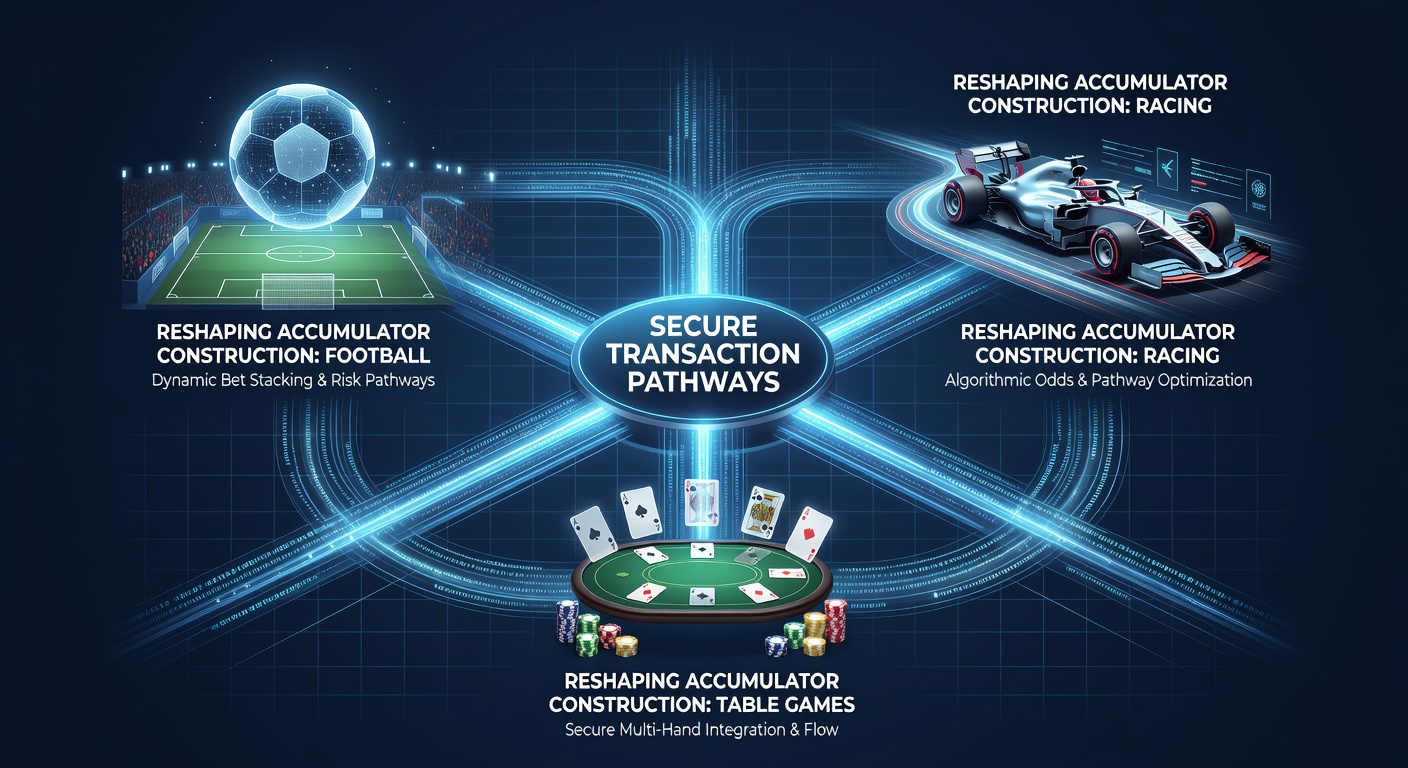
Observers note that casino operators have adopted the same encryption standards already common in racing apps, so a single accumulator might now include a Premier League clean sheet, a Group 1 race winner, and a dealer hand total without fragmenting the payment verification process, and this consolidation reduces user drop-off during the final confirmation stage.
Regulatory and Operational Impacts
Government agencies in Canada and Australia have updated guidelines on digital payment verification for gambling operators, emphasizing that secure pathways must log each accumulator leg separately to support dispute resolution, yet these requirements have not slowed adoption because the underlying technology already embeds timestamped receipts at the point of each selection.
Industry data collected through 2026 reveals that platforms employing end-to-end encryption for accumulator funding experienced fewer chargeback disputes compared with those relying on standard card processing, because the added verification steps create clearer records of user intent at every stage.
Future Trajectory Through 2026 and Beyond
Analysts project continued expansion of these transaction routes into new accumulator formats that incorporate live in-play data feeds from all three sectors, and the pattern suggests operators will further streamline cross-market offers once additional biometric standards gain wider regulatory approval in multiple regions.
Conclusion
Secure transaction pathways continue to alter how accumulators form by removing friction between football, racing, and table game selections, and the documented growth in multi-leg activity through May 2026 demonstrates that encryption and verification improvements now underpin larger and more varied betting combinations across these markets.