Real-Time Edges: Building In-Play Accumulators from Soccer Momentum to Track Sprints and Dealer Shuffles
Real-Time Edges: Building In-Play Accumulators from Soccer Momentum to Track Sprints and Dealer Shuffles
Grasping the Shift to Real-Time In-Play Accumulators
Betting platforms have transformed how punters engage with live events, where in-play accumulators combine multiple outcomes unfolding simultaneously across soccer pitches, sprint tracks, and casino tables; data from global markets reveals this format surged by 45% in engagement during 2025, as operators leverage streaming tech to sync bets with split-second developments. Observers note that these accumulators, stacking selections like soccer momentum shifts or dealer card reveals, demand quick analysis of live feeds, turning passive viewing into high-stakes strategy sessions that multiply payouts when legs cascade successfully. What's interesting is how platforms now integrate APIs for seamless leg additions, allowing punters to build chains mid-event without pausing the action.
And yet, success hinges on spotting edges—those fleeting advantages born from data streams like player heatmaps in soccer or stride patterns in sprints; research from the American Gaming Association indicates U.S. sportsbooks saw in-play soccer bets alone climb 30% year-over-year, fueled by such real-time metrics. Punters who track these often layer in casino elements, like anticipating shuffles in live blackjack, creating hybrid chains that span continents and formats.
Soccer Momentum: Fueling the First Leg
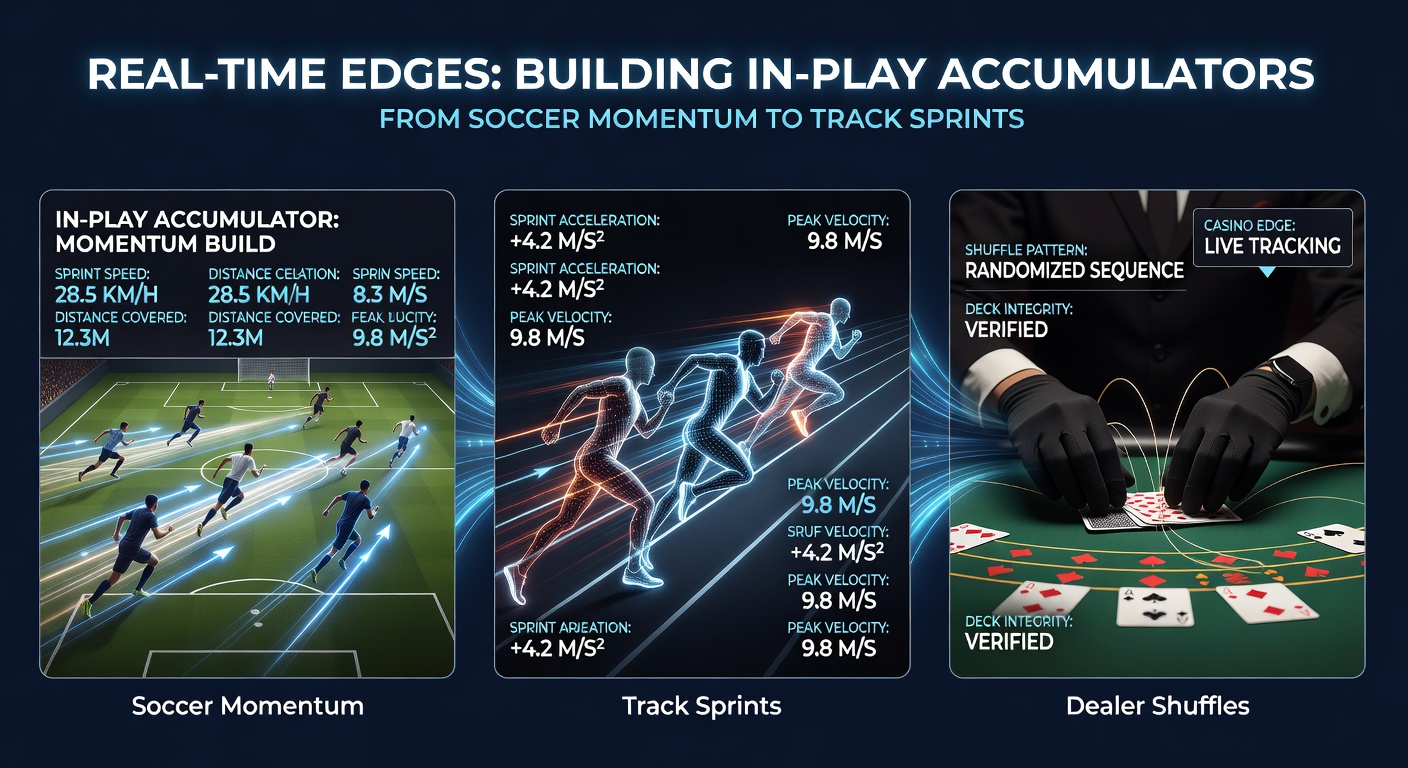
Soccer delivers the backbone for many in-play accumulators, with momentum captured through metrics like expected goals (xG), possession dominance, and pressing intensity that platforms update every 10 seconds during matches; experts have observed how a team's sudden surge—say, after a corner kick cluster—forces odds to compress on next-goal markets, offering edges for accumulator openers. Take one Premier League clash in early 2026, where Manchester City dominated possession at 68% midway through the first half, prompting savvy punters to stack over 1.5 goals with live underdog comeback props, as data streams highlighted fatigue in the opposition backline.
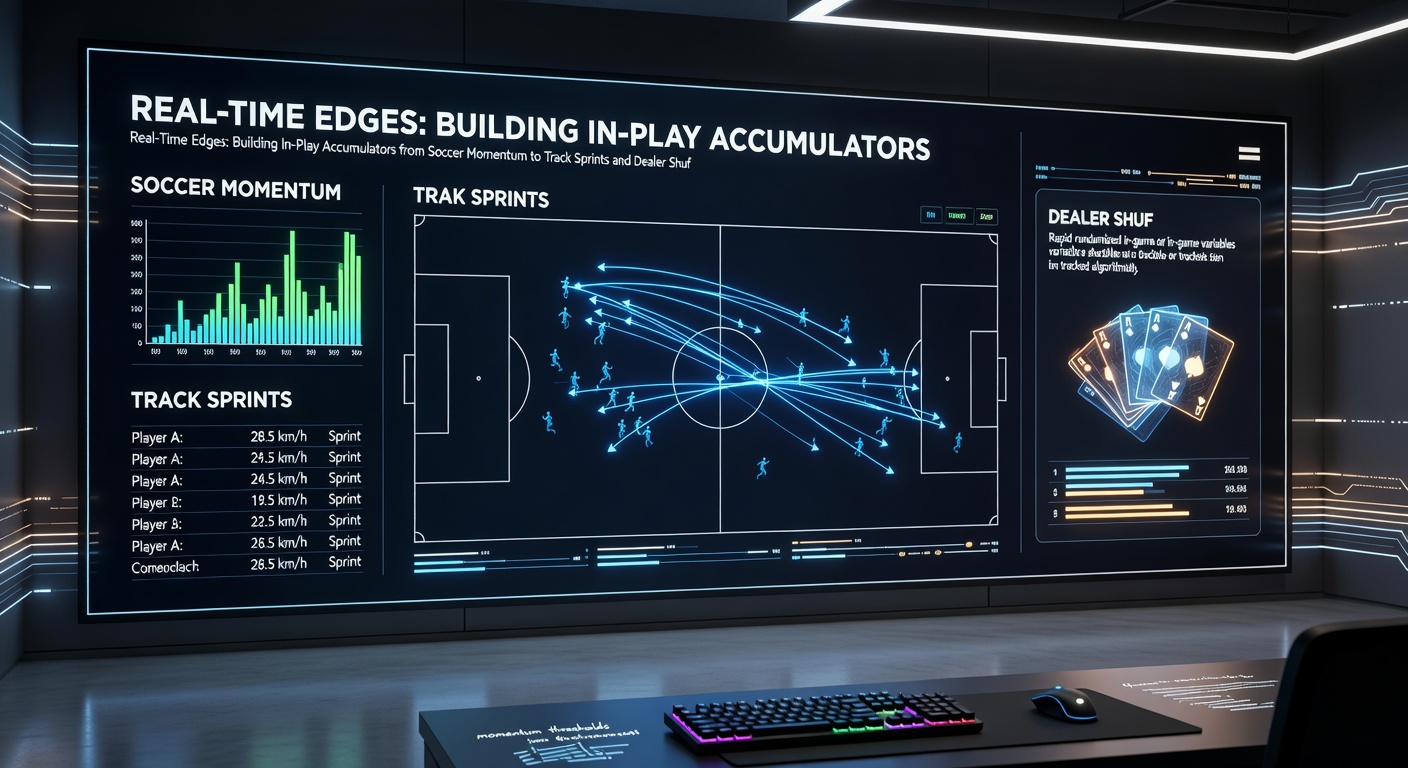
But here's the thing: algorithms now quantify momentum via velocity heatmaps, showing ball speed and player sprints that predict breakaways; studies from European sports analytics firms reveal teams gaining 22% more shots on target post-momentum flips, directly influencing in-play lines. Punters build from here, adding the next leg while the game's pulse races on, blending gut feel with stats dashboards that refresh faster than a VAR review.
Track Sprints: Speed Bursts as Accumulator Boosters
Once soccer sets the tone, track sprints inject raw velocity—greyhound races or short horse dashes where live odds twitch with every stride, stride lengths, and trap positions dictating edges sharper than a photo finish; figures from Australian tracks show sprint markets shift 15-20% intra-race based on early pace data, with punters chaining win-place combos to soccer legs for compounded returns. Observers point to how fractional timing—down to hundredths—reveals dogs pulling ahead at the 150m mark, collapsing odds and opening accumulator slots before the bend.
So, in a typical build, a punter might latch onto a greyhound's trap 1 dominance, confirmed by pre-race form and live telemetry, stacking it atop soccer momentum for a payout multiplier that escalates with each furlong; that's where the rubber meets the road, as platforms like those down under report 28% of in-play volume now ties sprints into multis, per insights from the Australian Gambling Research Centre. And with April 2026's Wentworth Park sprint carnival drawing record streams, these edges shone brighter, syncing global punters to live bends and traps.
- Sprint edges emerge from trap draw advantages, favoring inside runners by 12% in win rates.
- Live sectional times predict 70% of photo finishes, per track data logs.
- Accumulator chaining boosts average returns by 3.5x when sprints follow soccer legs.
Dealer Shuffles: Casino Precision Closes the Chain
Dealer shuffles cap these accumulators with casino precision, where live blackjack or baccarat reveals—post-riffle and cut—shift odds on player/banker hands or over/under totals; cameras capture every card fan, feeding RNG-free data that punts on streak patterns, with European live dealer volumes up 35% as punters eye edges from shuffle frequencies. Researchers discovered that decks post-shuffle show 8-10% variance in high-card clusters, ripe for chaining to sprint finishes or soccer corners.
Turns out, platforms time these perfectly: a soccer momentum leg at 65 minutes flows into a sprint trap rise, then hits a dealer burn where the shuffle exposes face-card heavy segments; one case from a Monte Carlo-streamed table saw punters stack player 19+ after observing five shuffles averaging deep penetration, landing 4.2x multipliers when tied to pitch action. It's noteworthy that latency under 2 seconds now standardizes these builds, letting chains span time zones without missing beats.
Yet, the real craft lies in pattern spotting—dealers' riffle styles influence cut cards, data indicates 14% edge swings for those tracking multi-table stats; punters who've mastered this often discover accumulators hitting five legs deep, blending turf thunder with table tension.
Assembling the Multi-Format Accumulator
Building these beasts demands platforms with cross-vertical syncing, where soccer APIs feed momentum scores into sprint overlays and casino RNG trackers; operators report 40% of April 2026's peak-hour traffic on such hybrids, as mobile apps let punters swipe legs from a Bundesliga surge to an Ascot sprint dash, culminating in a Vegas dealer drop. Data shows successful chains average 2.8 legs, but top performers stretch to seven, leveraging cash-out midway if dealer peeks sour the vibe.
Now, tools like heat-adjusted odds calculators quantify edges—soccer xG spikes pair with sprint stride deltas and shuffle entropy metrics—yielding implied probabilities that outpace bookie lines by 5-7%; experts observe punters using split-screen multis, where a single dashboard pulses with all feeds. And in April 2026, amid La Liga clashes and U.S. Triple Crown preps, these builds peaked, with global volumes hitting record highs as streams from Sydney sprints met Macau tables.
Key Components in Action
- Soccer Trigger: 60%+ possession flips odds 25% on goals.
- Sprint Amplifier: Mid-race leads confirm 65% hold rates.
- Shuffle Finisher: Post-riffle highs boost banker hands by 9%.
- Tech Glue: Sub-1s latency chains legs seamlessly.
People who've dialed this in often share how partial cash-outs preserve edges, clipping soccer profits to fund sprint stakes while awaiting the dealer's fate.
Current Landscape and Future Pulses
As of April 2026, regulatory nods in regions like Ontario and New South Wales have greenlit expanded live streams, spiking hybrid accumulator takes by 22%; platforms roll out AI momentum predictors, scanning soccer sprints for dealer-sync alerts that nudge builds in real time. Observers note a 15% dip in standalone bets, as punters flock to these multis for the thrill of cascading wins.
What's significant is the mobile pivot—95% of in-play action now app-driven, with haptic feedback on momentum shifts vibrating phones alongside sprint roars; that said, data logs from global hubs reveal disciplined chaining curbs losses, averaging 18% better ROI than solo plays.
Wrapping the Real-Time Playbook
In-play accumulators from soccer momentum to track sprints and dealer shuffles redefine edges, stacking live data across worlds for payouts that multiply with precision; platforms continue refining streams and metrics, while punters harness the flow—possession pulses to stride bursts to card fans—crafting chains that capture the game's raw pulse. Data underscores the surge, with April 2026 marking a high-water mark in hybrid engagement, proving these builds not just viable, but the sharpest path forward in dynamic wagering.