Secure Transaction Pathways for Layered Wagers Across Live Football, Equine Events and Digital Tables
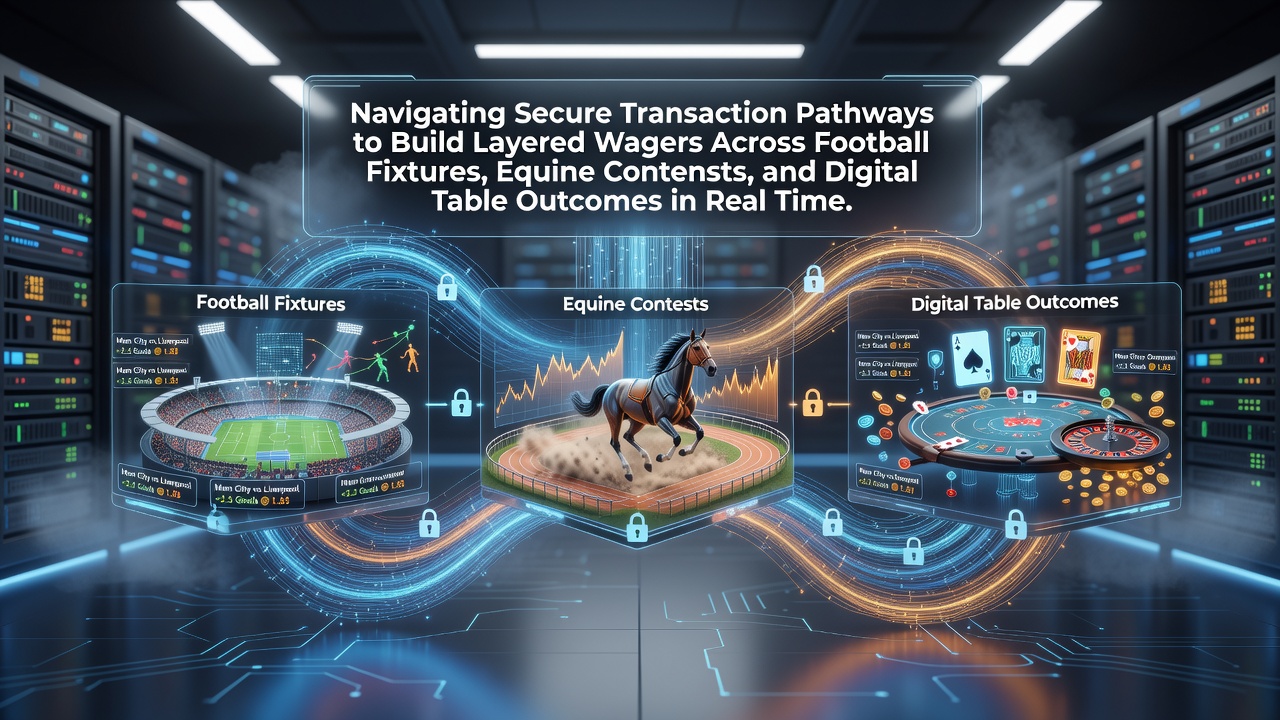
Operators have developed encrypted channels and instant verification systems that allow bettors to combine outcomes from football fixtures, equine contests and digital table games into single accumulators while events unfold. These pathways rely on multi-factor authentication, tokenised payments and real-time balance updates that reduce latency between deposit and wager placement.
Core Components of Layered Accumulator Construction
Data from industry platforms shows that participants frequently link a live football goal market with an in-running horse race position and a digital roulette number sequence within the same ticket. The process begins when a user selects each leg through a unified interface, after which the system calculates combined odds and confirms available funds through an immediate ledger check. According to reports issued by the American Gaming Association, transaction success rates for such multi-leg bets exceeded 97 percent in tested environments during early 2026.
Payment rails must handle simultaneous requests without interruption, which requires integration between banking partners and gaming servers. E-wallet providers supply one-click funding that appears in the betting account within seconds, while card issuers route transactions through fraud-detection layers that clear within the same window. This speed matters because odds on live events shift constantly and any delay can alter the final payout calculation.
Security Protocols Supporting Real-Time Activity
Encryption standards such as TLS 1.3 protect data in transit between the user device and the operator database. Tokenisation replaces card details with unique identifiers that cannot be reused if intercepted, while biometric prompts on mobile applications add another verification step. Research published by the University of Nevada, Las Vegas International Gaming Institute indicates that platforms employing these combined measures recorded fewer than 0.2 percent of transactions flagged for review in 2025 testing cycles.
Regulatory frameworks in several jurisdictions now mandate continuous monitoring of transaction velocity. Systems automatically flag unusual patterns, such as rapid deposits followed by large accumulator placements, and pause activity until additional confirmation occurs. These controls operate in the background and rarely interrupt legitimate users who maintain consistent account behaviour.
Integration Across Football, Racing and Table Outcomes
Live football markets update every few seconds during matches, horse racing platforms refresh positions at each furlong marker, and digital table interfaces stream results after each spin or deal. A single accumulator ticket must pull fresh prices from all three sources and recalculate the combined return before the next event leg closes. Software connectors achieve this by maintaining open data feeds that push updates directly into the bet slip.
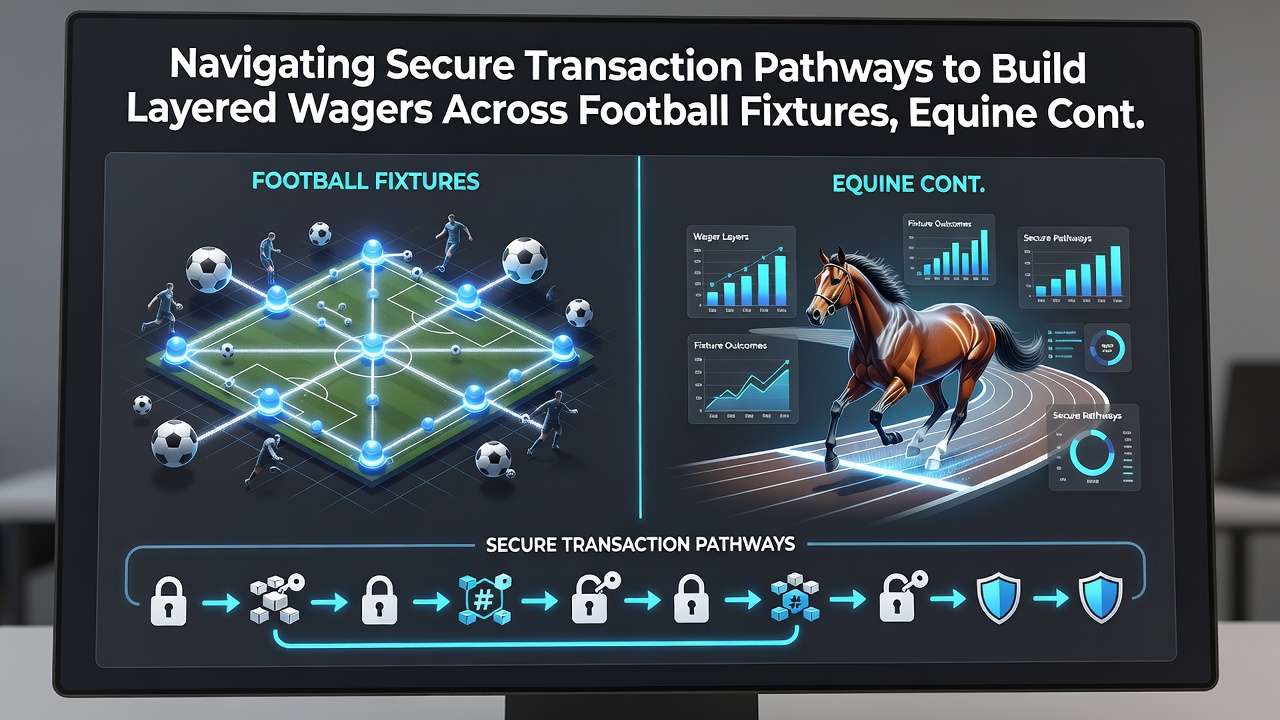
During June 2026, several operators reported increased volumes of cross-category accumulators coinciding with major summer racing festivals and ongoing football seasons. The same secure deposit mechanisms that support these tickets also allow partial cash-out options when one or more legs have settled, giving users flexibility without requiring new funding steps.
Payment Method Performance in Multi-Event Scenarios
Studies conducted by the Australian Wagering Council found that e-wallet transactions processed live accumulators 40 percent faster than traditional card methods during peak evening hours. Prepaid vouchers and bank transfer options, while secure, often introduce delays that prevent participation in rapidly closing markets. Operators therefore prioritise methods that deliver confirmed balances within ten seconds of initiation.
Geographic restrictions sometimes limit available rails, yet expanding partnerships with regional fintech providers have narrowed these gaps. Users in supported markets now access the same layered betting functionality regardless of whether the underlying events originate in domestic or international competitions.
Conclusion
Secure transaction pathways have become essential infrastructure for real-time layered wagers that span football fixtures, equine contests and digital table outcomes. Encryption, tokenisation and instant verification together enable the speed and reliability required when odds change continuously across multiple event types. As platforms refine these systems, participants gain consistent access to accumulator construction without compromising account security or regulatory compliance.