Syncing Probabilities Across Venues: Mobile Platforms Connect Athletic Scores, Equine Finishes, and Table Results with Instant Transfers

Cross-venue probability sync refers to systems that link live data streams from sports events, horse races, and casino tables through portable devices while enabling instant fund transfers between accounts. These platforms pull real-time probabilities from multiple venues into a single interface so users can adjust positions without switching applications or waiting for settlements.
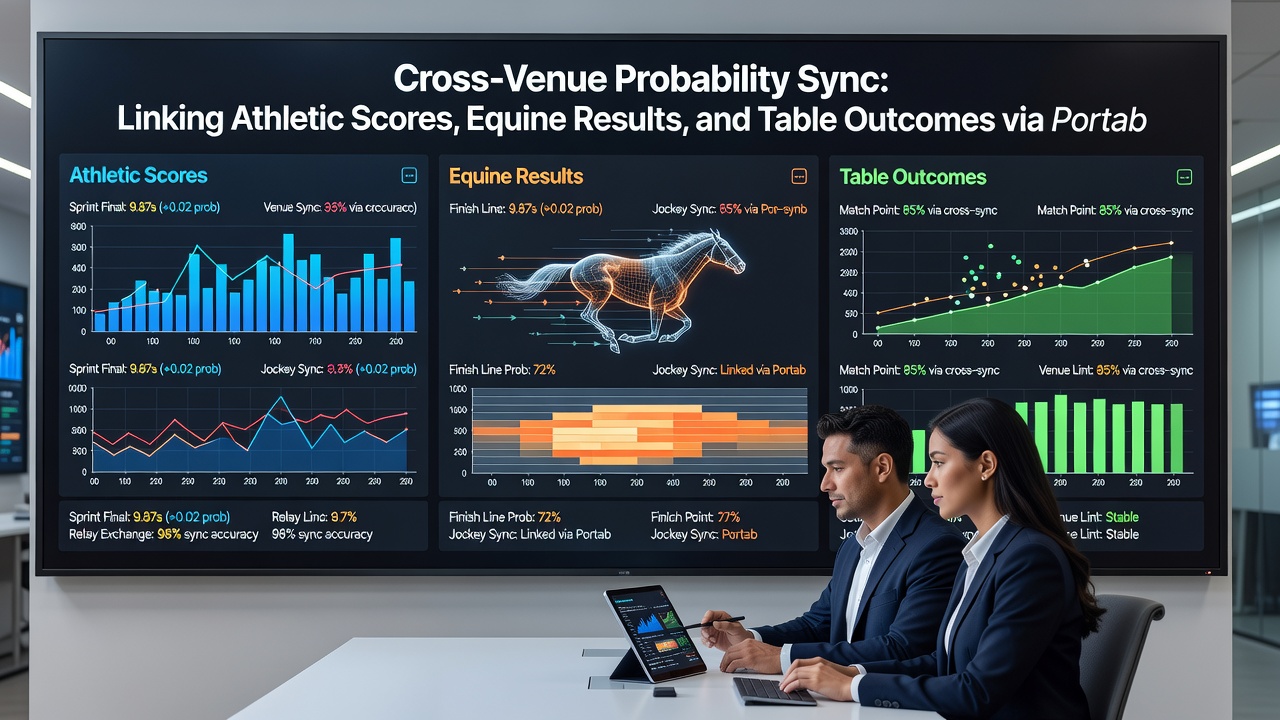
Developers integrate APIs from stadium feeds, track timing systems, and dealer software to create unified dashboards. A goal scored in a football match updates associated accumulator odds while a horse crosses the finish line at another venue and a roulette spin completes at a third location all within the same session.
How Data Streams Converge on Portable Interfaces
Portable interfaces combine data packets from different sources through standardized protocols that timestamp each outcome. Athletic score updates arrive via stadium sensors, equine results transmit from photo-finish cameras, and table outcomes register through electronic dealer terminals. The synchronization layer merges these inputs so probability calculations reflect current conditions across venues simultaneously.
Users access these merged feeds on smartphones and tablets where algorithms recalculate combined odds after each event milestone. When a basketball team hits a three-point shot the system adjusts linked horse race and blackjack probabilities within milliseconds and displays revised payout structures before the next play begins.
Instant Transfers and Account Integration
Instant transfer mechanisms allow funds to move between betting wallets tied to different event categories without manual intervention. Once a football accumulator settles the platform routes winnings directly to an active horse race position or a live table game stake based on user presets. Regulatory frameworks in several jurisdictions require these transfers to complete within seconds while maintaining audit trails for compliance checks.
Payment rails supporting these movements include digital wallet providers and banking partners that process micro-transactions at high volume. Data from industry reports shows transfer completion times averaging under three seconds during peak European evening hours in July 2026 when multiple international events overlap.
Technical Architecture Behind the Sync Layer
The underlying architecture relies on event-driven microservices that subscribe to venue-specific data feeds. Each service normalizes incoming information into a common probability model before broadcasting updates to connected mobile clients. Redundancy measures duplicate critical streams across separate cloud regions so a single venue outage does not break the entire cross-venue view.
Security protocols encrypt both data streams and transfer instructions using end-to-end methods that meet standards set by organizations such as the European Gaming and Betting Association. Multi-factor authentication gates access to linked accounts while session tokens expire after short intervals to limit exposure during extended betting periods.
Market Adoption Patterns Through Mid-2026
Adoption rates increased during the first half of 2026 as operators rolled out updated mobile applications supporting cross-venue features. Figures released by the Victorian Responsible Gambling Foundation indicate that Australian users conducted over 2.8 million cross-category sessions in June alone with average session durations extending by 14 minutes compared to single-venue usage.
North American operators followed similar patterns after regulatory approvals expanded in several states. Observers note that platforms offering these sync capabilities recorded higher retention metrics during overlapping major events such as international football tournaments and thoroughbred festivals.
Challenges in Maintaining Accurate Probability Models
Latency differences between venues create occasional discrepancies that algorithms must resolve through weighted averaging. A delayed track signal might require the system to hold table game updates until equine data catches up preserving overall consistency for users viewing combined odds.
Developers address these issues by implementing buffer zones that pause certain calculations until all relevant feeds report within acceptable time windows. Testing conducted by university research teams has shown that such buffers reduce user-reported inconsistencies by more than 60 percent during high-volume periods.
Conclusion
Cross-venue probability sync continues to evolve as more operators connect athletic, equine, and table game data streams through portable interfaces supported by instant transfer capabilities. The technical foundations established by mid-2026 demonstrate reliable performance across overlapping event schedules while meeting varied regulatory requirements in different regions. Future refinements will likely focus on further reducing latency and expanding the range of compatible venues.