The Influence of Payment Velocity on Live Multi-Event Wagering Success in Soccer, Equine Events, and Gaming Environments

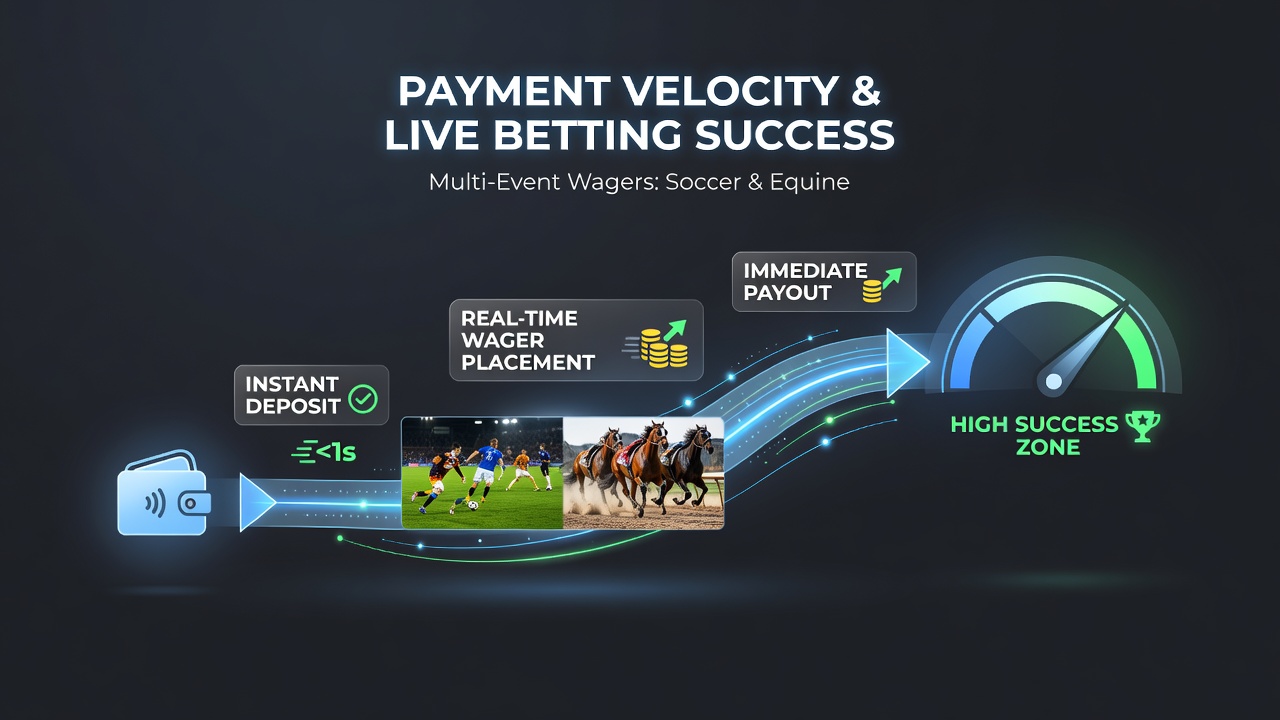
Payment velocity refers to the speed at which funds move into and out of betting accounts during live events, and data from multiple markets shows this factor directly affects outcomes for multi-event wagers that combine soccer, equine competitions, and gaming floors. Observers note that delays in deposits often prevent punters from adjusting accumulators when odds shift rapidly across these disciplines, whereas faster processing enables timely stake placement before lines close.
Core Mechanics of Payment Velocity in Live Settings
Systems that handle instant deposits allow users to fund accounts within seconds of a soccer goal or a horse race start, and this capability extends to casino tables where over/under decisions require immediate capital. Research indicates that platforms integrating e-wallets and bank transfers with sub-minute confirmation times record higher participation rates in chained bets, particularly when events overlap in the same session. Those who study transaction logs find that average deposit completion under 10 seconds correlates with increased accumulator volume during peak hours in July 2026.
Soccer and Equine Event Integration
Live soccer markets generate frequent odds movements after set pieces or substitutions, and equine events add further complexity when jockey changes or track conditions alter probabilities mid-race. Multi-event wagers linking a football goal line to a horse finishing position demand seamless funding because separate books close at different moments. Figures reveal that operators offering unified wallets across these categories see elevated success rates for such combinations compared with slower payment methods that force users to switch accounts mid-sequence.
Gaming Floor Applications and Cross-Discipline Strategies
Casino environments introduce additional layers through roulette spins or blackjack hands that run concurrently with sports action, and payment velocity determines whether a punter can pivot from a live horse race bet to a table game over/under without interruption. Data shows operators that maintain consistent processing speeds across verticals achieve steadier engagement levels, especially when users build accumulators spanning all three areas in one continuous session. Those monitoring activity patterns during July 2026 events observed that instant funding options reduced abandoned wagers by enabling quick responses to live developments at the felt or on the track.
Industry reports from the American Gaming Association highlight how faster transaction rails support higher volumes of live multi-leg bets without requiring separate funding steps for each category. Similar findings appear in analyses from the Australian Gambling Research Centre, where integrated payment systems across sports and gaming produced measurable increases in chained wager completion rates during overlapping event windows.
Operational Factors Affecting Velocity Outcomes
Network stability, regulatory approval times, and wallet provider partnerships all influence how quickly funds reach active betting lines, and variations in these elements produce different results for users attempting soccer-equine-casino accumulators. Evidence suggests that venues prioritising API connections with multiple payment gateways maintain steadier access during high-traffic periods such as festival racing meets paired with evening casino sessions. Those reviewing transaction datasets note that even brief lags compound across disciplines because each leg of the wager carries its own closing deadline.
Conclusion
Payment velocity operates as a measurable variable in live multi-event betting that spans soccer, equine sports, and gaming floors, with available data confirming its role in enabling timely accumulator adjustments. Patterns observed through 2026 indicate that systems minimising processing intervals support greater continuity when events from different categories run simultaneously, while slower options correlate with reduced participation in complex live structures. Continued monitoring of transaction metrics across regions provides ongoing insight into how these speeds shape overall wagering activity.